Fadogia Agrestis for Women: Are There Any Particularities
Fadogia agrestis is sold as a "natural testosterone booster," and almost all of this plant's marketing is aimed at men. Yet questions also arise in women's sports communities: is it worth trying, will it help with strength, libido, or recovery. The editorial team examined what is known about fadogia in relation to the female body - and how little is actually known.
Where the question about women comes from at all
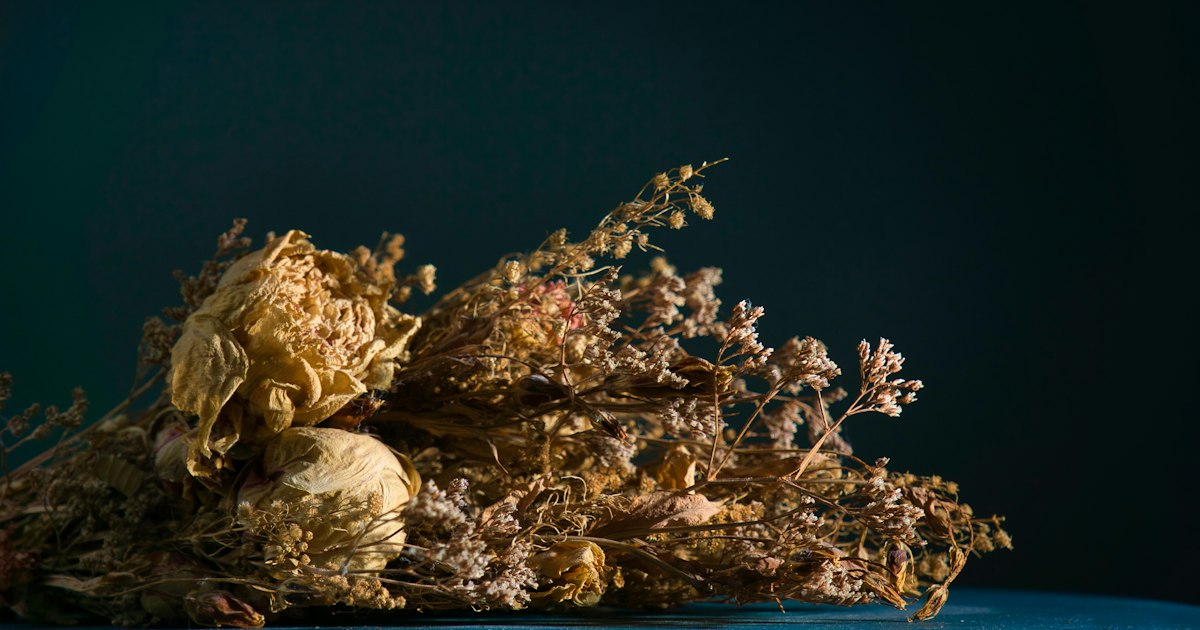
Fadogia agrestis (Fadogia agrestis) is a shrubby plant from West Africa that was used in Nigerian folk medicine as a remedy to enhance male potency. It gained popularity in the sports world after it began to be mentioned on well-known podcasts about "testosterone optimization." Since then the stem extract has appeared in dozens of complex boosters.
Women take an interest in fadogia for several reasons. Some hear that testosterone matters for female strength and libido too, and logically assume that "raising it a little" would be beneficial. Some buy a popular booster for a partner and think about trying it themselves. And some are simply looking for a "natural" alternative to progress faster in the gym.
It is important to understand the starting point: fadogia has never been studied as a remedy for women. The entire scientific base is a few studies in male rats examining the effect of an aqueous extract on testosterone levels, sexual behavior, and testicular condition. There is not a single controlled study in humans, neither men nor women, in the open literature.
So the question "are there any particularities for women" actually sounds like this: can data obtained in male animals be transferred to the female body? The editorial team believes it cannot, and explains why below.
What the research shows and what it does not
The main data on fadogia belong to a group of Nigerian researchers led by M. T. Yakubu. In 2005 they described that an aqueous stem extract raised measures of sexual behavior and serum testosterone levels in male rats. The authors linked the effect to stimulation of Leydig cells - structures that simply do not exist in the female body.
In a subsequent paper the same group reported adverse changes in testicular tissue and enzyme markers with prolonged administration of the extract. These data became the main reason for a cautious attitude toward fadogia even among those who popularize it.
From the standpoint of evidence-based medicine, this is the lowest level of evidence: animal studies, small groups, a single laboratory, an absence of independent replication. For women the situation is even worse, since the main hypothetical target - the testes - is absent in women, and there are no data at all on an effect on the ovaries or adrenal glands.
Below is a schematic comparison of how thoroughly fadogia has been studied in different groups. These are not quantitative data but an illustration of the gaps in knowledge.
Separately worth mentioning is a general review of the "testosterone booster" market (Clemesha et al., 2020): the authors showed that most of the claimed effects of such products are not confirmed by the academic literature. Fadogia is no exception here.
A woman's hormonal profile and "androgenic" supplements
In women, testosterone is synthesized in the ovaries and adrenal glands, and its normal concentration is roughly ten times lower or more than in men. Even a relatively small rise in androgens can be noticeable for the female body: acne, increased male-pattern hair growth, and menstrual cycle disturbances appear.
That is precisely why the idea of "raising testosterone a little" is not nearly as harmless for a woman as it is for a man with a low normal range. If we hypothetically assume that fadogia acts androgenically, then the most likely outcome in a woman would not be strength records but the side manifestations of hyperandrogenism.
On the other hand, if fadogia's mechanism is really tied to Leydig cells, in a woman it may do nothing noticeable. Then it is simply a waste of money with an unpredictable impurity profile and unknown toxicity. Both scenarios are not in the supplement's favor.
The review by Handelsman and co-authors (2018) emphasizes that it is precisely the difference in circulating testosterone that explains a large part of the sex differences in athletic performance. But it does not follow from this that a woman should artificially bring her level closer to a man's: that is already a zone of medical risks and, for female athletes, anti-doping rules.
| Possible scenario | What this means for a woman |
|---|---|
| Fadogia acts androgenically | Risk of acne, hirsutism, cycle disturbances, and voice changes with prolonged androgen exposure |
| Fadogia does not act on female glands | No benefit, but the risk of impurities and unknown toxicity remains |
| The product is contaminated with steroids | Real androgenic effects and the risk of a positive doping test |
Special situations: pregnancy, breastfeeding, PCOS, contraception
During pregnancy and breastfeeding, fadogia should not be taken. There are no safety data, and any substance with a hypothetical effect on sex hormones is potentially capable of affecting fetal development. This is a general rule for plant extracts without an evidence base.
For women with polycystic ovary syndrome (PCOS) or other conditions accompanied by an excess of androgens, supplements positioned as a "testosterone booster" are contraindicated by common sense. Even if the effect is small, it is directed in the direction that a doctor usually tries to correct.
The interaction of fadogia with hormonal contraception, hormone replacement therapy in menopause, or fertility drugs has not been studied. So the editorial team does not advise combining them without consulting a gynecologist.
Briefly on the situations in which fadogia should be avoided:
- pregnancy, pregnancy planning, and breastfeeding;
- PCOS, hirsutism, acne of hormonal origin;
- taking hormonal drugs or medicines that affect the liver;
- participation in competitions where WADA rules apply.
Female athletes should remember the risk of contamination: the study by Geyer and co-authors (2004) showed that some "non-hormonal" supplements contained undeclared anabolic steroids. For complex boosters this risk is higher.
Which supplements for women have a better evidence base
If the goal is strength, muscle mass, and recovery, in women the same basic tools work as in men. The IOC consensus on supplements (Maughan et al., 2018) singles out a small group of substances with convincing evidence, and fadogia is not among them.
Creatine monohydrate has been studied well enough in women: it supports strength indicators and training volume. Protein helps meet the daily protein norm, which is especially relevant during a calorie deficit. Caffeine has a proven ergogenic effect for endurance and strength efforts.
For libido and general well-being it is more important to identify the true cause of the changes: iron deficiency, thyroid dysfunction, chronic sleep deprivation, or too aggressive a calorie deficit. No plant compensates for these problems, and tests and a doctor's consultation often solve them faster.
For women who train intensively, energy availability deserves separate attention. A shortage of energy can disrupt the cycle and reduce hormonal function, and then a "booster" only masks a problem that needs to be solved through nutrition.
Editorial conclusions
There are no specific data on fadogia agrestis in women. All the known information was obtained in male rats, and the supplement's hypothetical target is absent in the female body.
The possible scenarios for a woman - either no effect or undesirable androgenic manifestations - plus the general risk of impurities and toxicity indicated by animal studies.
Pregnant women, breastfeeding women, and women prone to hyperandrogenism should not take fadogia. Female athletes should keep in mind the risk of product contamination.
We also recommend reading our materials "Side Effects of Fadogia Agrestis," "Who Should Not Take Fadogia Agrestis," and "Fadogia Agrestis and the Liver and Kidneys: Is It Safe."
References
- Yakubu MT, Akanji MA, Oladiji AT. Aphrodisiac potentials of the aqueous extract of Fadogia agrestis (Schweinf. Ex Hiern) stem in male albino rats. Asian J Androl. 2005;7(4):399–404.
- Yakubu MT, Akanji MA, Oladiji AT. Effects of oral administration of aqueous extract of Fadogia agrestis (Schweinf. Ex Hiern) stem on some testicular function indices of male rats. J Ethnopharmacol. 2008.
- Clemesha CG, Thaker H, Samplaski MK. 'Testosterone boosting' supplements composition and claims are not supported by the academic literature. World J Mens Health. 2020;38(1):115–122.
- Handelsman DJ, Hirschberg AL, Bermon S. Circulating testosterone as the hormonal basis of sex differences in athletic performance. Endocr Rev. 2018;39(5):803–829.
- Geyer H, Parr MK, Mareck U, et al. Analysis of non-hormonal nutritional supplements for anabolic-androgenic steroids — results of an international study. Int J Sports Med. 2004;25(2):124–129.
- Maughan RJ, Burke LM, Dvorak J, et al. IOC consensus statement: dietary supplements and the high-performance athlete. Br J Sports Med. 2018;52(7):439–455.
Andriy Melnyk
A strength-sports coach and author of programs for beginner and intermediate levels. Writes about training planning.